Camping Laws and Regulations in South Africa: What Every Camper Should Know
Knowing your rights and responsibilities help protect the environment and ensure a safer camping experience for everyone.
Camping is one of South Africa’s favourite outdoor activities, offering everything from coastal escapes to remote bush adventures. While every campsite has its own rules, there are also general laws, regulations and best practices that every camper should understand before setting off.
Knowing your rights and responsibilities helps protect the environment, ensures a safer camping experience and makes life easier for everyone sharing the outdoors.
Camp Only Where It Is Permitted
Always ensure you’re camping on land where camping is allowed.
This includes:
- Registered caravan parks
- Private campsites
- Nature reserves
- National and provincial parks
- Private farms with the owner’s permission
Camping on private property without permission or in prohibited areas can result in fines or removal from the site.
Respect Campground Rules
Every campsite has its own rules regarding:
- Check-in and check-out times
- Noise levels
- Fires and braais
- Pets
- Visitor access
- Vehicle movement
- Generator use
Following these rules helps ensure everyone enjoys their stay.
Fire Safety
Open fires are one of the biggest risks when camping.
Always:
- Use designated braai or fire areas.
- Never leave a fire unattended.
- Extinguish fires completely before leaving.
- Check whether fire bans are in place during dry seasons.
Many nature reserves prohibit open fires during periods of high fire danger.
Protect Wildlife
South Africa’s wildlife should always be respected.
Avoid:
- Feeding wild animals.
- Leaving food unattended.
- Approaching dangerous animals.
- Removing plants or natural features.
Observing wildlife from a safe distance protects both visitors and animals.
Dispose of Waste Responsibly
Leave your campsite as you found it.
Remember to:
- Take all rubbish with you where bins are unavailable.
- Separate recyclable items where possible.
- Dispose of grey water responsibly.
- Empty chemical toilets only at approved dump points.
Responsible camping helps preserve natural areas for future visitors.
Keep Noise to a Minimum
Most caravan parks and campsites enforce quiet hours during the evening.
Be considerate by:
- Keeping music at a reasonable level.
- Avoiding loud conversations late at night.
- Supervising children around neighbouring campsites.
- Limiting generator use where permitted.
Good camping etiquette creates a better experience for everyone.
Caravan and Trailer Compliance
Before travelling, ensure your caravan or trailer:
- Is roadworthy.
- Has valid licence discs.
- Has working lights.
- Has correctly inflated tyres.
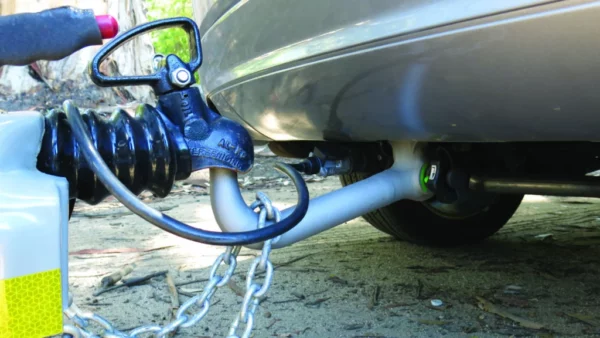
- Is securely coupled to the tow vehicle.
Regular maintenance improves both safety and reliability.
Travel with the Correct Documentation
Depending on your destination, you may need:
- Vehicle registration documents.
- Driver’s licence.
- Caravan registration papers.
- Booking confirmations.
- Park permits or entrance permits.
Having documents readily available can simplify check-ins and roadside inspections.
Respect Environmental Regulations
Many parks and reserves have regulations designed to protect sensitive environments.
These may include restrictions on:
- Off-road driving.
- Collecting firewood.
- Fishing.
- Drone use.
- Noise.
- Waste disposal.
Always familiarise yourself with local rules before your visit.
Know Your Rights as a Camper
When staying at a commercial campsite, you can generally expect:
- Facilities that match those advertised.
- Safe access to the campsite.
- Clean ablution facilities where provided.
- Reasonable maintenance of common areas.
If problems arise, report them to campsite management as soon as possible to allow them an opportunity to resolve the issue.
Final Thoughts
Camping is one of the best ways to experience South Africa’s incredible outdoor destinations, but it also comes with responsibilities. Respecting campsite rules, protecting the environment and ensuring your caravan complies with road regulations helps create a safer and more enjoyable experience for everyone.
Whether you’re visiting a luxury caravan resort or a remote bush campsite, a little preparation goes a long way towards making every trip memorable for all the right reasons.