Essential Caravan Towing Tips for South African Roads
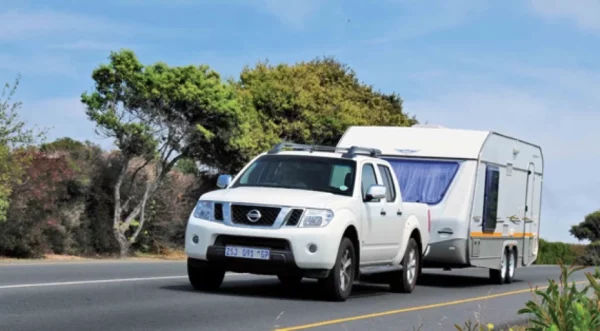
Towing a caravan can be one of the most rewarding ways to explore South Africa, whether you’re heading to the coast, the bushveld or the mountains. However, towing safely requires preparation, the right equipment and good driving habits. Whether you’re new to caravanning or have years of experience, these essential towing tips will help you enjoy a safer and more comfortable journey.
Know Your Vehicle’s Towing Capacity
Before hitching up your caravan, check your vehicle manufacturer’s recommended towing capacity. Never exceed the maximum towing limit or the maximum tow ball weight, as doing so can affect handling, braking and safety.
Remember that your vehicle also has a Gross Combination Mass (GCM), which is the maximum combined weight of the tow vehicle and caravan.
Distribute Weight Correctly
Correct weight distribution is one of the most important aspects of safe towing.
Keep heavier items low and close to the axle, and avoid loading too much weight at the very front or rear of the caravan. An uneven load can lead to poor handling or dangerous trailer sway.
Inside the caravan:
- Secure loose items before travelling.
- Spread luggage evenly.
- Avoid overloading cupboards.
- Store heavy equipment as low as possible.
Check Your Tyres
Inspect the tyres on both the caravan and tow vehicle before every trip.
Look for:
- Correct tyre pressure.
- Adequate tread depth.
- Cracks or signs of ageing.
- Damage from previous trips.
Don’t forget to check the spare wheel as well.
Inspect the Hitch and Coupling
Before setting off, make sure:
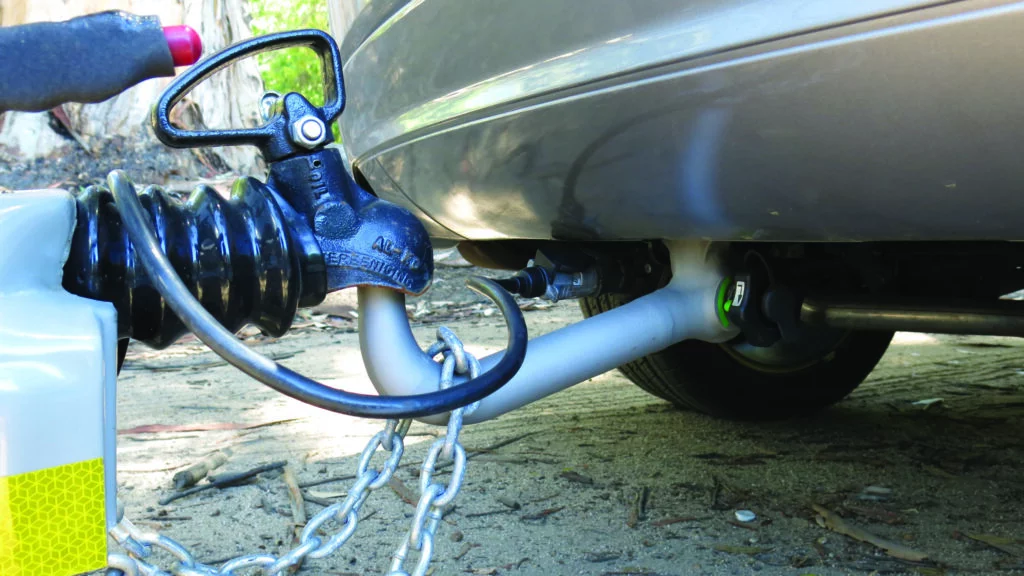
- The coupling is securely locked onto the tow ball.
- The safety chain is attached correctly.
- Electrical plugs are connected.
- Brake lights, indicators and tail lights are working.
- Corner steadies are fully raised.
A quick walk around the caravan before every departure can prevent costly mistakes.
Adjust Your Mirrors
Your mirrors should allow you to see along both sides of the caravan and the traffic behind you.
If necessary, fit towing mirrors to improve visibility and reduce blind spots.
Allow More Stopping Distance
A caravan significantly increases the weight you’re towing, meaning your vehicle will require more distance to stop safely.
Drive defensively by:
- Leaving a larger following distance.
- Braking gently and earlier than usual.
- Avoiding sudden steering movements.
Reduce Your Speed
Higher speeds make caravans more susceptible to sway and reduce reaction time.
Drive at a comfortable speed that allows you to maintain full control, particularly in strong crosswinds or when overtaking heavy vehicles.
Remember that arriving safely is far more important than arriving quickly.
Take Corners Carefully
Your caravan tracks inside the path of your tow vehicle.
When turning:
- Take wider corners.
- Watch your mirrors.
- Avoid mounting kerbs.
- Allow extra room at intersections.
Practice in an open area if you’re new to towing.
Watch for Caravan Sway
Strong winds, passing trucks or incorrect loading can cause the caravan to sway.
If sway begins:
- Stay calm.
- Keep both hands firmly on the steering wheel.
- Ease off the accelerator gradually.
- Do not brake suddenly.
- Allow the caravan to settle before continuing.
Preventing sway through proper loading and sensible speeds is always better than correcting it.
Plan Your Overtaking
Overtaking takes considerably longer when towing.
Before overtaking:
- Ensure you have plenty of clear road ahead.
- Accelerate smoothly.
- Allow extra space before moving back into your lane.
Never rush an overtaking manoeuvre.
Use Lower Gears on Hills
Long climbs place additional strain on your engine, while long descents can overheat your brakes.
On steep hills:
- Select a lower gear before descending.
- Let engine braking help control your speed.
- Avoid riding the brakes continuously.
Take Regular Breaks
Towing requires greater concentration than normal driving.
Stop every couple of hours to:
- Stretch your legs.
- Check tyre temperatures.
- Inspect the hitch and safety chain.
- Ensure nothing has shifted inside the caravan.
A five-minute inspection can prevent problems later in your journey.
Perform a Pre-Departure Checklist
Before every trip, check:
- ✔ Tyre pressures
- ✔ Wheel nuts
- ✔ Hitch locked
- ✔ Safety chain connected
- ✔ Lights working
- ✔ Brakes functioning
- ✔ Gas bottles turned off
- ✔ Roof hatches closed
- ✔ Corner steadies raised
- ✔ Water tanks secured
- ✔ Doors and windows locked
Developing a routine helps ensure nothing is forgotten.
Final Thoughts
Safe caravan towing isn’t about experience alone—it’s about preparation, patience and good driving habits. By checking your equipment, loading your caravan correctly and adjusting your driving style, you’ll reduce the risk of problems and make every journey more enjoyable.
Whether you’re heading off for a weekend getaway or a cross-country adventure, taking a few extra minutes before you leave can make all the difference once you’re on the road. Safe towing means greater confidence, better control and more time enjoying the destinations that make caravanning such a rewarding lifestyle.
Towing a caravan can be one of the most rewarding ways to explore South Africa, whether you’re heading to the coast, the bushveld or the mountains. However, towing safely requires preparation, the right equipment and good driving habits. Whether you’re new to caravanning or have years of experience, these essential towing tips will help you enjoy a safer and more comfortable journey.
Know Your Vehicle’s Towing Capacity
Before hitching up your caravan, check your vehicle manufacturer’s recommended towing capacity. Never exceed the maximum towing limit or the maximum tow ball weight, as doing so can affect handling, braking and safety.
Remember that your vehicle also has a Gross Combination Mass (GCM), which is the maximum combined weight of the tow vehicle and caravan.
Distribute Weight Correctly
Correct weight distribution is one of the most important aspects of safe towing.
Keep heavier items low and close to the axle, and avoid loading too much weight at the very front or rear of the caravan. An uneven load can lead to poor handling or dangerous trailer sway.
Inside the caravan:
- Secure loose items before travelling.
- Spread luggage evenly.
- Avoid overloading cupboards.
- Store heavy equipment as low as possible.
Check Your Tyres
Inspect the tyres on both the caravan and tow vehicle before every trip.
Look for:
- Correct tyre pressure.
- Adequate tread depth.
- Cracks or signs of ageing.
- Damage from previous trips.
Don’t forget to check the spare wheel as well.
Inspect the Hitch and Coupling
Before setting off, make sure:
- The coupling is securely locked onto the tow ball.
- The safety chain is attached correctly.
- Electrical plugs are connected.
- Brake lights, indicators and tail lights are working.
- Corner steadies are fully raised.
A quick walk around the caravan before every departure can prevent costly mistakes.
Adjust Your Mirrors
Your mirrors should allow you to see along both sides of the caravan and the traffic behind you.
If necessary, fit towing mirrors to improve visibility and reduce blind spots.
Allow More Stopping Distance
A caravan significantly increases the weight you’re towing, meaning your vehicle will require more distance to stop safely.
Drive defensively by:
- Leaving a larger following distance.
- Braking gently and earlier than usual.
- Avoiding sudden steering movements.
Reduce Your Speed
Higher speeds make caravans more susceptible to sway and reduce reaction time.
Drive at a comfortable speed that allows you to maintain full control, particularly in strong crosswinds or when overtaking heavy vehicles.
Remember that arriving safely is far more important than arriving quickly.
Take Corners Carefully
Your caravan tracks inside the path of your tow vehicle.
When turning:
- Take wider corners.
- Watch your mirrors.
- Avoid mounting kerbs.
- Allow extra room at intersections.
Practice in an open area if you’re new to towing.
Watch for Caravan Sway
Strong winds, passing trucks or incorrect loading can cause the caravan to sway.
If sway begins:
- Stay calm.
- Keep both hands firmly on the steering wheel.
- Ease off the accelerator gradually.
- Do not brake suddenly.
- Allow the caravan to settle before continuing.
Preventing sway through proper loading and sensible speeds is always better than correcting it.
Plan Your Overtaking
Overtaking takes considerably longer when towing.
Before overtaking:
- Ensure you have plenty of clear road ahead.
- Accelerate smoothly.
- Allow extra space before moving back into your lane.
Never rush an overtaking manoeuvre.
Use Lower Gears on Hills
Long climbs place additional strain on your engine, while long descents can overheat your brakes.
On steep hills:
- Select a lower gear before descending.
- Let engine braking help control your speed.
- Avoid riding the brakes continuously.
Take Regular Breaks
Towing requires greater concentration than normal driving.
Stop every couple of hours to:
- Stretch your legs.
- Check tyre temperatures.
- Inspect the hitch and safety chain.
- Ensure nothing has shifted inside the caravan.
A five-minute inspection can prevent problems later in your journey.
Perform a Pre-Departure Checklist
Before every trip, check:
- ✔ Tyre pressures
- ✔ Wheel nuts
- ✔ Hitch locked
- ✔ Safety chain connected
- ✔ Lights working
- ✔ Brakes functioning
- ✔ Gas bottles turned off
- ✔ Roof hatches closed
- ✔ Corner steadies raised
- ✔ Water tanks secured
- ✔ Doors and windows locked
Developing a routine helps ensure nothing is forgotten.
Final Thoughts
Safe caravan towing isn’t about experience alone—it’s about preparation, patience and good driving habits. By checking your equipment, loading your caravan correctly and adjusting your driving style, you’ll reduce the risk of problems and make every journey more enjoyable.
Whether you’re heading off for a weekend getaway or a cross-country adventure, taking a few extra minutes before you leave can make all the difference once you’re on the road. Safe towing means greater confidence, better control and more time enjoying the destinations that make caravanning such a rewarding lifestyle.